


Frequent Urination in Men: Causes, Diagnosis & Treatment
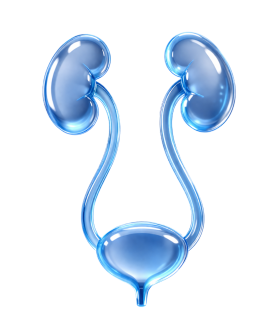

What Is Frequent Urination in Men?
Frequent urination means needing to urinate more often than is usual for you. There is no single number that defines normal urination for every man — urination frequency can vary depending on how much fluid you drink, caffeine and alcohol consumption, medications, weather and physical activity, bladder capacity, age, and medical conditions. NIDDK advises men to seek medical evaluation for significant urinary symptoms, including urinating eight or more times a day, particularly when the symptom is persistent or accompanied by other problems.
Frequent urination is not always the same thing as producing too much urine: urinary frequency means urinating many times, often with relatively small amounts of urine, while polyuria means producing an unusually large total volume of urine.
Importantly, frequent urination is a symptom rather than a diagnosis. Finding the underlying cause is the key to effective treatment.
What Causes Frequent Urination in Men?
- Drinking too much fluid — especially large amounts over a short period or in the evening; unnecessarily restricting fluids is not recommended because it can lead to dehydration.
- Caffeine and alcohol — coffee, tea, energy drinks, and some soft drinks can increase urinary symptoms; alcohol also increases urine production.
- Urinary tract infection (UTI) — can cause frequent urination, urgency, burning or pain during urination, lower abdominal discomfort, and occasionally blood in the urine.
- Prostatitis — inflammation involving the prostate, causing frequent urination, urgency, burning, difficulty urinating, pelvic or perineal pain, pain in the penis or scrotum, painful ejaculation, and, in acute bacterial prostatitis, fever and chills.
- Enlarged prostate (BPH) — a noncancerous enlargement of the prostate, more common with age; because the prostate surrounds part of the urethra, enlargement causes frequent urination, urgency, waking at night to urinate, difficulty starting urination, a weak or interrupted stream, dribbling after urination, and a sensation of incomplete emptying.
- Overactive bladder — sudden bladder contractions creating a strong urge to urinate.
- Diabetes — high blood glucose levels can cause increased urination.
- Certain medications — such as diuretics, which increase urine production.
- Urinary stones — can irritate the urinary tract and cause frequent urination, pain, and blood in the urine.
- Neurological conditions — the bladder depends on coordinated signals between the brain, spinal cord, and urinary tract.
- Anxiety and stress — can increase the sensation of needing to urinate in some people.
Frequent Urination at Night: What Is Nocturia?
Nocturia means waking during the night to urinate. Occasionally waking once may not indicate a medical problem, but repeatedly waking can interfere with sleep and quality of life. Possible causes include BPH, overactive bladder, prostatitis, diabetes, drinking large amounts of fluid before bed, caffeine or alcohol in the evening, certain medications, and sleep disorders. Although BPH is a common cause of nighttime urinary symptoms in older men, it is not the only explanation.
Frequent Urination and an Enlarged Prostate
Many men associate frequent urination with an enlarged prostate, and BPH can certainly cause urinary frequency. However, BPH usually produces a combination of storage and/or voiding symptoms: frequent urination, urgency, nocturia, weak urine stream, hesitancy, intermittent urine flow, post-void dribbling, and incomplete emptying. Because different prostate conditions can produce similar symptoms, proper evaluation is important before starting treatment.
Prostatitis can also cause frequent urination: inflammation of the prostate can irritate the lower urinary tract and cause urinary frequency and urgency, sometimes together with pelvic pain, painful urination, or painful ejaculation. Acute bacterial prostatitis can additionally cause fever, chills, and significant illness.
Frequent Urination With Other Symptoms
- Burning during urination → UTI, prostatitis, urethritis
- Weak urine stream → BPH, obstruction, urethral narrowing
- Urgency → overactive bladder, UTI, prostatitis
- Pelvic/perineal pain → prostatitis, chronic pelvic pain syndrome
- Fever and chills → infection, including acute bacterial prostatitis
- Increased thirst and large urine volumes → diabetes or other causes of polyuria
- Blood in urine → UTI, stones, prostate or urinary tract conditions
- Frequent nighttime urination → BPH, diabetes, overactive bladder
- Difficulty emptying the bladder → BPH, obstruction, neurological dysfunction
These symptoms do not establish a diagnosis on their own. A urologist may need to perform an examination and appropriate tests.
When Should You See a Urologist, and When Is It an Emergency?
See a doctor or urologist if frequent urination:
- persists or repeatedly returns;
- interferes with sleep or daily activities;
- is accompanied by a weak urine stream, urgency, or leakage;
- occurs with painful urination;
- occurs with blood in the urine;
- is accompanied by difficulty emptying the bladder;
- develops together with increased thirst or unexplained weight loss.
Seek urgent medical attention if you:
- cannot urinate at all;
- have severe lower abdominal or testicular pain;
- have high fever and chills with urinary symptoms;
- have significant blood or blood clots in your urine.
Acute urinary retention requires prompt medical treatment.
How Is Frequent Urination Diagnosed?
Diagnosis depends on the patient’s age, symptoms, medical history, and associated findings.
Medical history: when it began, how many times per day and night, urgency, pain, stream strength, fluid/caffeine/alcohol intake, medications, diabetes or prostate problems.
Physical examination: abdominal, genital, neurological when indicated, and prostate examination when appropriate.
Urine tests: urinalysis and, if infection is suspected, a urine culture.
Blood tests: glucose or HbA1c, kidney function, other tests as indicated.
Prostate evaluation: digital rectal exam, PSA when appropriate, ultrasound, post-void residual, uroflowmetry.
A bladder diary over 2–3 days can help identify patterns.
How Is Frequent Urination Treated?
- UTI — evaluated and treated, with antibiotics when a bacterial infection is confirmed or strongly suspected.
- Prostatitis — treatment depends on type; bacterial prostatitis may require antibiotics.
- BPH — watchful waiting, lifestyle modifications, medications, minimally invasive procedures, or surgery.
- Overactive bladder — bladder training, behavioral changes, pelvic floor therapy, medications.
- Diabetes — improving blood glucose control.
- Medication or lifestyle — modifying contributing factors; never stop prescribed medication without discussing it with your doctor.
Lifestyle Changes That May Help
- Reduce caffeine if it worsens symptoms.
- Limit alcohol — it increases urine production.
- Avoid large amounts of fluid before bed, but don’t severely restrict fluids overall.
- Manage constipation.
- Keep a bladder diary to identify triggers.
Frequently Asked Questions
Can frequent urination be cured?
Sometimes, depending on the cause. Some conditions such as BPH or overactive bladder may need longer-term management.
Is it normal?
Occasionally after drinking a lot, but persistent frequency should be evaluated.
Can an enlarged prostate cause it?
Yes, but frequent urination alone doesn’t prove BPH is the cause.
Can it be a sign of diabetes?
Yes, especially with increased thirst and other diabetes symptoms.
When should I see a urologist?
If it persists, or occurs with pain, blood, or incomplete emptying.